A medieval proverb asked 'why die when sage grows in the garden?', and European monasteries cultivated it for memory and mind for centuries. It was traded down the Silk Road so eagerly that tea was exchanged for it at four times its weight.
The Herbarium / N° 11
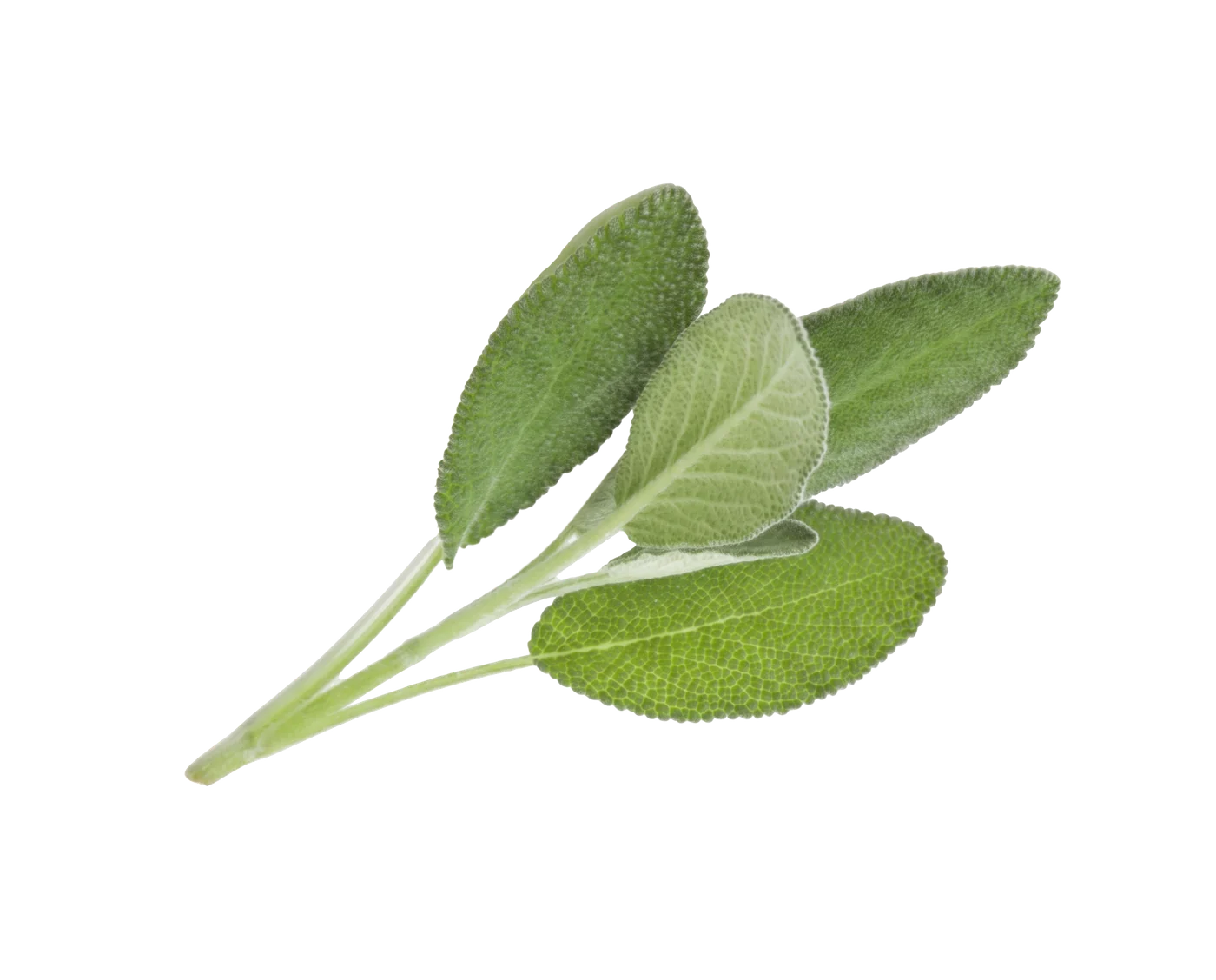
Sage
Salvia officinalis
Botanical
From salvare, 'to heal', the Romans treated this herb like a pharmacy in a leaf.
A Mediterranean native, still grown in the sun-baked herb gardens of southern Europe, as it has been since Roman times.
- Rosmarinic acid
- The dominant polyphenol.
- Carnosic acid
- A diterpene studied for antioxidant behaviour.
- Thujone
- Present in the volatile oil; why sage extracts are dose-controlled.
Leaf extract, included for its long place in European herbal tradition. The authorised claims in our blends come from their vitamins and minerals, not from sage.
Sage has been looked at in a handful of small studies, but UK law does not currently allow any health claim for it. We describe it by its traditional use only.
- Salvia comes from salvere, 'to save'. The Romans named it after what they expected of it.
- There's an English proverb: 'Why should a man die whilst sage grows in his garden?'
- It was the strewing herb of choice in medieval sickrooms, for its scent as much as anything.
Salvia officinalisCommon sageGarden sage
Traditional use reflects historical and cultural practice, not licensed health claims. Always read the label and consult a healthcare professional if unsure.